Water Pressure Reducers

Protect plumbing, appliances and fixtures from excessive mains pressure. Certified for potable water applications, domestic and industrial.

Why install a water pressure reducer

Municipal water supply pressure varies typically between 4 and 8 bar but can spike higher. Most domestic fixtures and appliances — boilers, washing machines, taps — are designed for 3–5 bar.

Without a reducer, excessive pressure causes: accelerated wear on seals and valves, noise (water hammer), increased water consumption (more flow per tap opening), and risk of leaks at joints and fittings.

Roffia distributes Caleffi water pressure reducers — Italian market leaders in hydronic components — certified for potable water in domestic and commercial installations.
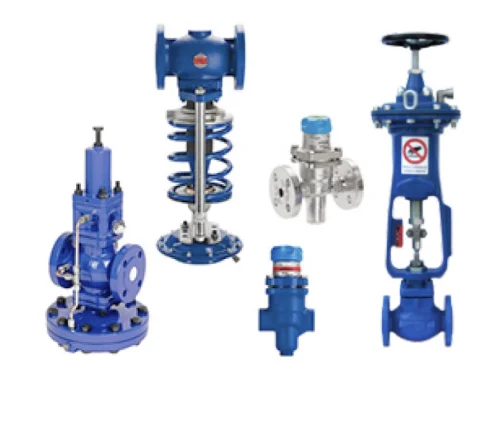
Water pressure reducer Caleffi — Roffia srl

Benefits of pressure reduction

-30%

Water consumption reduction

+50%

Longer fixture life

No noise

Eliminates water hammer

Safety

Overpressure protection

Technical specifications

Operating characteristics

  • Inlet pressure: up to 25 bar
  • Outlet pressure: 0.5 – 6 bar (adjustable)
  • Temperature: up to 80°C (hot water versions)
  • Accuracy: ±0.3 bar
  • Certifications: WRAS, ACS, DVGW, UNI EN 1717

Construction

  • Connections: Threaded DN 15-50, flanged DN 50-150
  • Body: DZR brass, bronze, cast iron, stainless steel
  • Diaphragm: EPDM, NBR
  • Brands: Caleffi, Socla

Applications

Residential

Apartment and house mains entry, boiler protection, washing machines, dishwashers. Target: 3–4 bar.

Industrial

Machine feed, wash systems, cooling circuits. Sizes up to DN 150 for high flow.

Irrigation

Protecting drip irrigation and sprinkler systems from excessive mains pressure.

Domande frequenti

What does a water pressure reducer do?
A water pressure reducer lowers the mains supply pressure (typically 4–8 bar in Europe) to a safer, lower level for downstream fixtures. It protects taps, appliances, boilers and pipework from excessive pressure that causes accelerated wear, noise (water hammer) and burst risk. Many appliances are rated for maximum 6 bar; maintaining 3–4 bar extends their life significantly.
What is the recommended pressure for a domestic water system?
For residential plumbing, 3–4 bar is ideal. Pressures above 5 bar accelerate seal wear, increase noise, and waste water (more flow per second when taps open). Most boilers, washing machines and dishwashers have maximum inlet pressure limits of 6–8 bar — staying below avoids warranty issues and extends appliance life.
What certifications are needed for potable water reducers?
For drinking water, the reducer must be certified for contact with potable water — in Europe, look for WRAS (UK), ACS (France), KTW/DVGW (Germany), or UNI EN 1717 compliance. Caleffi reducers carry multiple certifications. Typical materials: dezincification-resistant brass (DZR), bronze, or stainless steel for the body; EPDM or silicone diaphragms.
Where should the pressure reducer be installed?
Install the reducer immediately after the water meter, before any branch. Mount horizontally with the diaphragm/adjustment on top (unless the datasheet specifies otherwise). Fit isolation valves before and after for maintenance, and a strainer upstream to protect the seat from debris.
Can pressure reducers be used for hot water?
Standard reducers are typically rated to 40–60°C. For domestic hot water or heating returns (up to 80°C), use high-temperature versions with EPDM or PTFE diaphragms rated accordingly. Caleffi offers specific models for hot water applications. Check the datasheet for the exact temperature limit.
How do I check if the reducer is working properly?
Install pressure gauges upstream and downstream of the reducer. The downstream gauge should show the set pressure and remain stable as taps open and close. Signs of failure: downstream pressure matching inlet (seat damaged), fluctuating outlet, leakage from the body, or need for frequent readjustment.

Need water pressure reducers?

Contact us for a quotation. Wide stock availability of Caleffi reducers for residential and commercial applications.

Privacy Policy Cookie Policy